







Search Results for: Front Street Mozart

Costa Rica Mozart Coffee: Name Origins, Raisin Honey Processing, and Pour-Over Parameters Explained
In the Front Street Costa Rica Musicians Series, the Mozart coffee beans are named because the manager of the Canet processing plant loves classical music, and their gorgeous flavor echoes the musical prodigy Mozart. This bean uses raisin honey processing: it is first sun-dried and then depulped, retaining all the mucilage, which gives the coffee a rich fermented aroma and prominent sweetness. This article will provide a complete analysis of this uniquely distinctive coffee, from the background of the producing region and the story of the Canet processing plant to the principles of the processing method and Front Street's recommended pour-over parameters and three-stage pouring technique. [more…]
Front Street Coffee Costa Rica Mozart Coffee Beans: The Origin of Raisin Honey Processing Flavor and Pour-Over Parameter Analysis
Front Street Costa Rica Musician Series Mozart coffee beans, named after the classical composer, are processed using a unique raisin honey method, presenting sweetness reminiscent of white flowers, berries, and honey. These beans come from the Canet processing plant in the Tarrazú region of Costa Rica and are meticulously processed in small batches by the Black Gold brand. This article will explore the origin of the Mozart coffee name, the background of the Canet estate, the specific process of raisin honey processing, as well as Front Street's recommended pour-over parameters and three-stage pouring technique, helping coffee enthusiasts gain a comprehensive understanding of this highly distinctive bean and master the method for brewing a rich, layered cup at home. [more…]
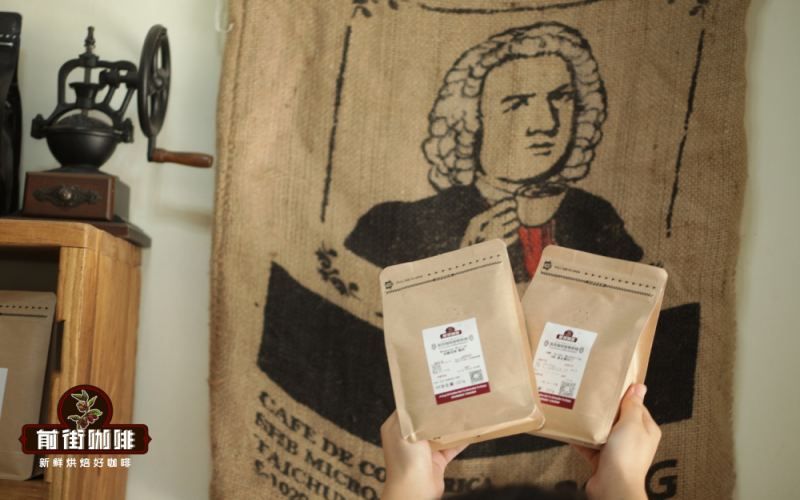
Canet Estate Mozart Coffee Brewing Guide: Raisin Honey Processing Flavor Characteristics and Pour-Over Parameters
In the Musician Series from Canet Estate in Costa Rica's Tarrazú region, Mozart coffee has become a favorite among many coffee lovers thanks to the pronounced sweetness and fruity-floral notes brought by its raisin honey processing. Why is this bean named Mozart? How does raisin honey processing differ from regular honey processing? Front Street Coffee breaks down this dried-fruit-sweet coffee bean one by one, from the region's background and the estate's story to the processing method, roasting, and brewing parameters, and includes V60 pour-over recommendations to help you recreate its bold yet elegant white floral aromas and berry-honey sweetness at home. [more…]

How should you brew Front Street Costa Rica Mozart coffee to make it taste best? Water temperature, grind parameters, and raisin honey process explained
Mozart coffee beans are a highly popular option in the Musician series, originating from Costa Rica's Canet Estate and renowned for their unique raisin honey process. Many coffee enthusiasts have reported that although the aroma is rich when they brew it, the taste is somewhat bitter and lacks that alluring sweetness. Today, Front Street Coffee will share insights into the flavor sources and brewing key points of Mozart, breaking down everything from the principles of the raisin honey process to specific parameters like grind size, water temperature, and pouring techniques, helping everyone consistently brew out osmanthus fragrance and dark fruit notes at home. Additionally, we will introduce an iced pour-over adjustment plan suitable for summer. [more…]
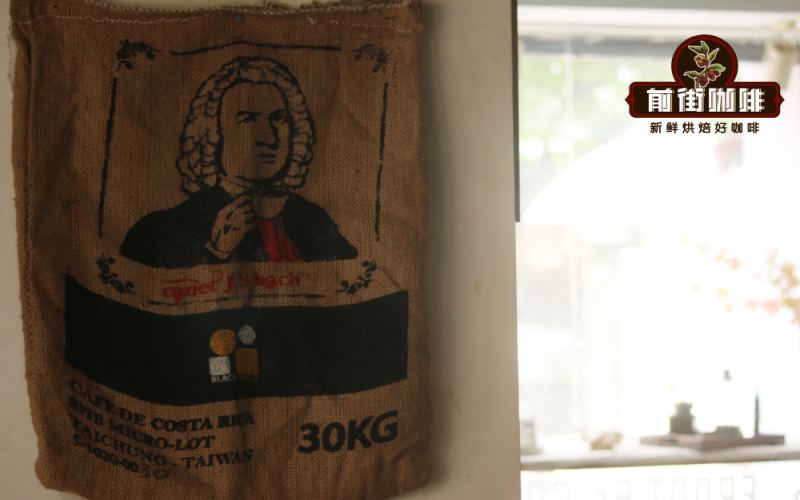
Front Street Costa Rica Mozart Coffee Beans: A Full Analysis of the Sweet-Tart Performance and Brewing Parameters Under Raisin Honey Processing
Costa Rican coffee has always been known for its sweetness, and the Musician series on Front Street Coffee's bean list is a concentrated expression of this characteristic. Among them, Mozart coffee beans have become a favorite of many coffee lovers thanks to their outstanding sweetness and fruity notes. This bean comes from the Canet processing plant at the highest altitude in the Tarrazu region, is blended from two varieties, Caturra and Catuai, and uses the raisin honey processing method, retaining more complete pectin for fermentation, thus presenting a solid mouthfeel and rich fermentation aroma. Front Street's roaster uses a medium roast to preserve its sweetness and fruity flavor. During cupping, one can perceive layered flavors such as floral notes, raisins, dried fruit, star fruit, and berries. This article will start from understanding this bean's origin background, variety characteristics, and processing method, and then move on to Front Street's cupping standards and brewing suggestions, taking you through a comprehensive understanding of the unique qualities of Front Street Mozart coffee. [more…]
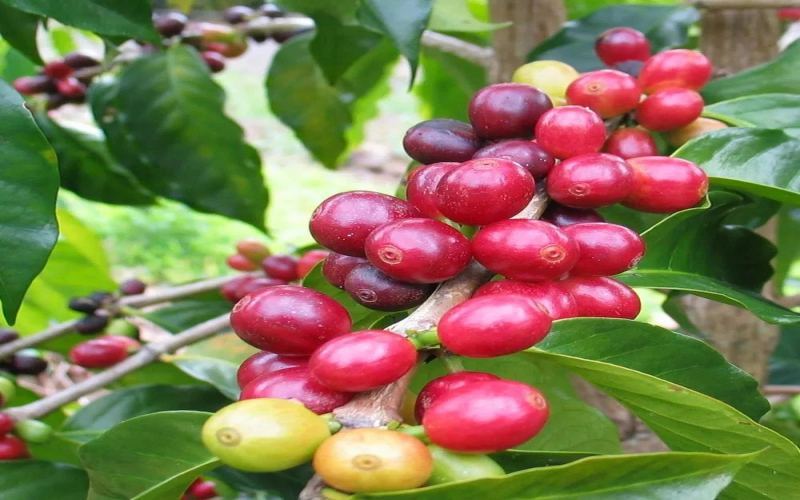
Costa Rica Musician Series Mozart Coffee: Flavor Characteristics and Analysis of Two Processing Methods
Black coffee is not limited to bitterness alone; it represents a pure beverage that presents coffee's true flavor without embellishment. Different producing regions give coffee distinctly different characters: the floral and citric acidity of Ethiopia, the soft fruit acidity of Colombia, the nutty caramel of Brazil, and the citrus and tropical fruit notes of Panama. The Costa Rica Musician Series launched by Front Street Coffee is a classic work named after classical musicians. This article focuses on Front Street Mozart coffee, from its origin at Canet Estate and the H1 variety, to the differences between raisin honey processing and anaerobic honey processing, and then to brewing parameters and flavor performance, to give you a complete understanding of this coffee with outstanding sweetness and exceptional floral and fruit aromas. [more…]
Costa Rica Mozart Coffee Beans: A Three-Temperature Pour-Over Experiment—A Full Analysis of the Raisin Honey Process Flavor from Canet Estate
Costa Rican coffee is famous for its honey processing method, and Hacienda Cannet's Musician Series is among the best of the best, especially a raisin honey-processed Mozart coffee bean whose dry and wet aromas are both impressive. To investigate the effect of water temperature on the flavor expression of this bean, Front Street Coffee conducted comparative pour-over experiments at 93°C, 90°C, and 87°C, recording everything from aroma, acidity, and sweetness to the finish. This article will begin with the background of Hacienda Cannet, the origin of the Musician Series names, the green bean information, and the processing characteristics of the raisin honey method, then present in detail the brewing parameters and flavor differences of the three water temperatures, and finally offer brewing recommendations suitable for this Mozart coffee bean. [more…]
Costa Rica Musician Series Coffee Beans: Flavor Profiles and Naming Stories of Mozart, Bach, Beethoven, and Chopin
The Musician Series coffee beans produced in Costa Rica's Tarrazú region have attracted much attention in the coffee world thanks to their unique flavor expression and romantic naming. Front Street Coffee's Mozart, Bach, Beethoven and other coffee beans each correspond to the personality and temperament of a classical music master. These coffee beans come from Canet Estate and are processed using raisin honey or washed methods, presenting a complex flavor in which preserved-fruit-like sweetness, berry notes and floral aromas interweave. This article will introduce in detail the regional background, origin of the naming, flavor characteristics and brewing suggestions of the Musician Series coffee beans, taking you into this wonderful dialogue between taste and hearing. [more…]
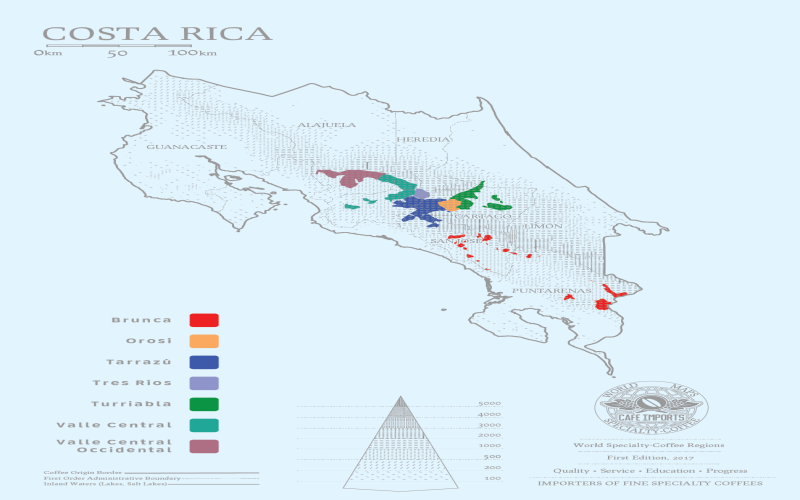
Costa Rica Musician Series Mozart Coffee Beans: Flavor Analysis of Canet Estate Anaerobic Honey Processing
Costa Rica is a representative producing country of specialty coffee in Central America, renowned for its honey processing technique. This article focuses on the Mozart coffee beans from Front Street Coffee's Costa Rican Musicians Series, tracing the historical context and geographical advantages of Costa Rican coffee, introducing the growing characteristics of the Tarrazú region and the Canet estate, and analyzing the anaerobic honey processing method used for Mozart. Finally, it describes the flavor profile—fermentation aroma, complex floral notes, and rich fruity sweetness—providing coffee enthusiasts with a complete reference on the region and tasting. [more…]
Costa Rica Mozart Coffee Flavor Analysis: Yellow Catuai Variety and Musician Series Characteristics
In the Costa Rican Musician Series, the Mozart coffee has drawn significant attention from coffee enthusiasts for its fresh, balanced floral and fruity aroma and strawberry sweetness. This article provides an in-depth introduction to the variety behind these beans—the cultivation history and growing characteristics of Yellow Catuai—analyzes the high-altitude growing environment of the Tarrazu region where Canet Estate is located, and explores the mysterious processing methods and naming inspiration behind the Musician Series. At the same time, we will also present the specific flavor description of Front Street Coffee's Costa Rica Mozart, offering a full picture of this bean's taste layers, from floral and fruit notes to berry-like sweet acidity. [more…]
Costa Rica Canet Estate Mozart Coffee: Flavor Analysis of Yellow Catuai and Red Catuai Varieties with Red Honey Processing
Located in the high-altitude Tarrazu region of Costa Rica, Canet Estate primarily cultivates passion fruit, producing limited quantities of coffee with exceptional quality. The Yellow Catuai variety grown in specific areas of the estate, after red honey processing, was named Mozart by Front Street Coffee, presenting rich flavors of strawberry, cherry, blackberry, and dried banana. This article will introduce the origin information of Mozart coffee, the variety background—the origins of Yellow Catuai and Red Catuai, as well as the specific process of red honey processing, and analyze its dry aroma, wet aroma, and sensory performance when sipping, helping coffee enthusiasts fully understand this specialty coffee with floral, fruity, and wine-like notes. [more…]
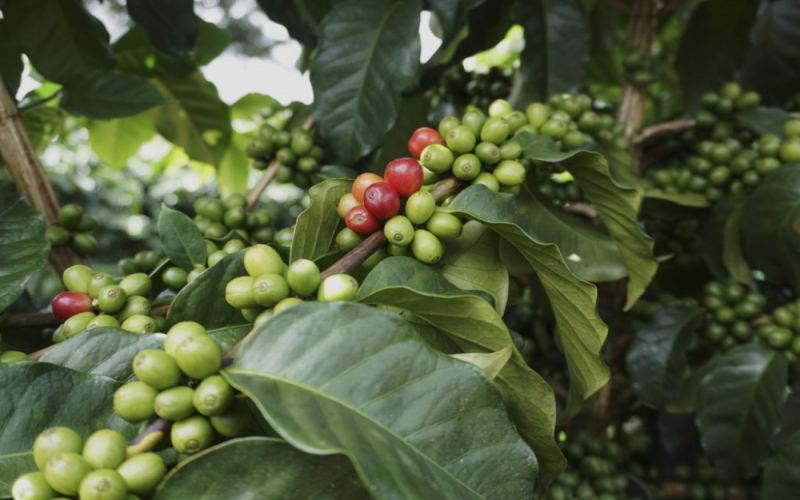
The Origin of Musician-Named Coffee Beans: A Full Analysis of the Flavor Differences Between Bach, Beethoven, and Mozart
Coffee, as an agricultural product, is named in many different ways: some are named after their place of origin, some after the estate, but coffee beans named after musicians are especially interesting. Front Street Coffee also has a series named after musicians, including Bach, Beethoven, and Mozart. These beans come from Canet Estate in the Tarrazú region of central Costa Rica. The estate owner loves classical music, so the coffee beans produced there are named after musicians. The estate uses two varieties, Caturra and Catuai, combined with raisin honey processing and washed processing. The altitude ranges from 1,700 to 1,950 meters, and all are SHB-grade high-altitude strictly hard beans, known for their sweet flavor, fruity aroma, winey notes, and tea-like fragrance. The 2019 vintage Musician Series all uses the Caturra variety, and the three coffees each have their own focus: Bach is layered and rich with a red wine character, Beethoven uses washed processing to present a clean and refreshing summer feel, while Mozart highlights gorgeous floral notes and sweetness. Below, Front Street will guide everyone through the unique qualities of these three coffees one by one. [more…]
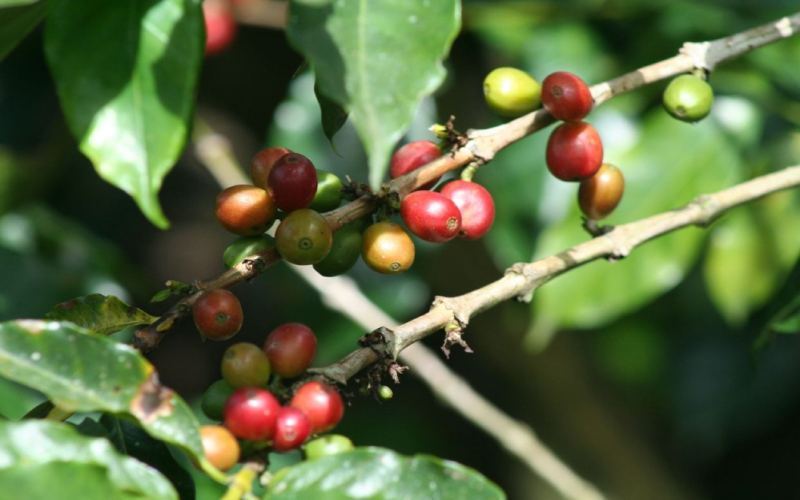
The Origin of Musician Coffee Bean Names: A Full Analysis of the Flavor Differences Between Front Street Coffee's Bach, Beethoven, and Mozart
As an agricultural product, coffee is named in many different ways—some named after regions, some after estates—but naming coffee after musicians is particularly distinctive. Front Street Coffee's Musician Series is exactly that, comprising three coffees: Bach, Beethoven, and Mozart. These beans come from the Canet Estate in central Costa Rica, whose owner loves classical music and therefore names the estate's coffees after musicians. The estate uses two varieties, Caturra and Catuai, paired with raisin honey processing and washed processing, to produce the world-renowned Musician Series coffees. This article will walk you through the origins of this series, its processing characteristics, and a detailed analysis of the flavor differences among the three coffees. [more…]

The Story Behind Mozart Coffee: Flavor Interpretation of Costa Rica's Canet Estate and the H1 Variety
Costa Rica is renowned for its honey processing and the Tarrazú region, while Mozart coffee comes from the Canet Estate, whose owners love classical music; it is named after the musician, uses raisin honey processing, and the variety is H1. This article provides a complete overview of this specially processed coffee—from the history of Costa Rican coffee development, regional terroir, and the background of the Canet Estate, to honey processing techniques and Mozart coffee's flavor and brewing suggestions—while preserving Front Street's practical views on washed Tarrazú, fresh roasting, and brewing parameters. [more…]
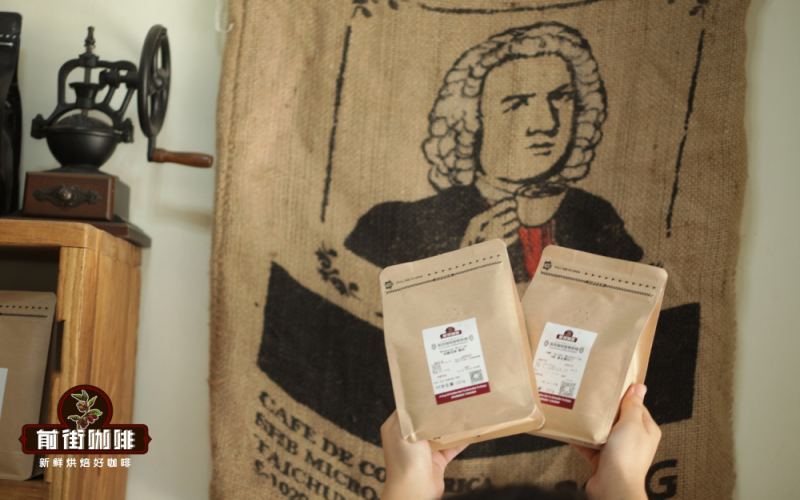
Costa Rica Mozart Coffee Bean Variety Analysis: Tarrazu Region Raisin Honey Processing Flavor and Brewing Guide
In the world of coffee, Costa Rica has earned the reputation of being "sweet as honey" thanks to its beans with outstanding sweetness and rich layers, and among the Musician series, the Mozart coffee bean is one of the most distinctive. It comes from the Canet Estate in the Tarrazu region and uses the raisin honey processing method, retaining all the pectin so that the green coffee beans absorb more sugar, ultimately presenting a white wine-like mouthfeel, intense fermented aroma, and floral-fruity sweetness. Front Street Coffee has included this bean in its lineup and uses a medium roast to highlight its complex floral, fruity, and jam-like aromas. This article will sort through Mozart's variety background, the story of its producing region, its processing method, and brewing suggestions, giving you a comprehensive understanding of this coffee named after a musician. [more…]

Front Street Costa Rica Mozart Coffee Flavor Analysis: Raisin Honey Processing Characteristics and Pour-Over Parameters, Water Temperature, and Coffee-to-Water Ratio Guide
Front Street Costa Rica Mozart coffee is a classic in the Musician series, known for its pleasant floral aroma and clear dried-fruit sweetness. This article starts from the origin background of the Musician series, sorts out the cultivation and processing methods of Canet Estate, focuses on comparing the differences between raisin honey processing and regular honey processing, and explains the flavor layers of osmanthus, grape, berry, rose tea, and more that this bean presents in cupping. The brewing section revolves around the two key variables of water temperature and grind size, and, combining Front Street’s roasting approach with store parameters, provides a complete three-stage pouring procedure to help coffee lovers stably brew Mozart’s sweet fruity flavor and clean acidity at home. [more…]

How to brew Costa Rican Mozart coffee? Front Street Coffee's raisin honey process flavor and extraction parameters explained
Costa Rican coffee has always been known for its balanced acidity and sweetness, with a pronounced sweet note, and Mozart from the Musician series is a favorite among many coffee enthusiasts. This bean, produced from the Canet estate in the Tarrazu region, undergoes a raisin honey process, retaining a large amount of pectin and sugar, which brings a fermentation feel reminiscent of white wine, rich floral and fruity aromas, and a sweet preserved fruit finish. Front Street Coffee will guide you through Mozart's regional background, processing methods, and roasting approach in this article, and share a practical pour-over plan, including specific parameters such as the Hario V60 dripper, 91°C water temperature, 15 grams of coffee, and a 1:15 coffee-to-water ratio. Whether you are just starting out or looking to refine your brewing, you will find reusable details and flavor references here. [more…]

Where Does the Sweetness in Honey-Processed Coffee Come From? Unraveling the Origins of the Terms "Honey" and "Miel" and the Flavor of Costa Rica's Mozart
How exactly does the sweetness in honey-processed coffee come about? Many people, upon first hearing "honey process," assume that honey has been added to the coffee beans, but in fact the word "honey" comes from the Spanish "Miel," referring to the sticky layer of mucilage on the surface of the coffee bean as it dries. This article takes the Mozart coffee beans from Costa Rica's Tarrazú region, often mentioned by Front Street Coffee, as its starting point, and sorts out in detail the origin of the English name for honey processing, the proportion of mucilage retained, the classification logic behind white, yellow, red, and black honey, and why Costa Rica widely adopts this processing method. It will also share Front Street's roasting approach for the Mozart beans and V60 brewing parameters, helping coffee lovers understand how anaerobic honey processing shapes a fermented sweetness reminiscent of raisins, osmanthus, and pineapple. [more…]

Costa Rica Canet Estate Bach Honey Process Coffee Flavor Analysis and Comparison with the Musician Series
Coffee, as a crop, has wildly varied naming conventions—some named after origins, some after estates, and some after musicians. Front Street Coffee also has beans named after musicians: Bach, Beethoven, and Mozart. What stories lie behind these names? How do their flavors differ? This article takes you into the Canet Estate in central Costa Rica to learn how this small estate run by three brothers, relying on the Caturra and Catuai varieties and using raisin honey processing and washed processing, created the world-renowned Musician Series. In the 2019 harvest season, they focused on Caturra, reinterpreting the classics. The article will describe in detail the flavor characteristics of the three beans—Bach, Beethoven, and Mozart—and introduce Costa Rica's uniquely favorable growing environment, as well as the central role of the Caturra variety in the Musician Series. [more…]

Costa Rica Canet Estate Musician Series: Flavor Analysis of Mozart and Bach Coffee
When the elegance of classical music meets the richness of high-altitude Costa Rican coffee, what kind of taste experience will it create? Hacienda Canet takes the names of musicians, infusing the essence of legends like Mozart and Bach into coffee beans. This article takes you into Hacienda Canet in the Tarrazú region, exploring the naming story of the Musician Series, the unique raisin honey processing method, and providing an in-depth analysis of the flavor profiles, roasting approaches, and brewing suggestions for Front Street Costa Rica Mozart and Front Street Costa Rica Bach. Whether you are fond of the sweetness of fermented fruit or prefer the intertwining of floral and wine notes, you can find your own cup of music here. [more…]